Best Interior Paint Colors: Solving Common Color Problems Before You Repaint
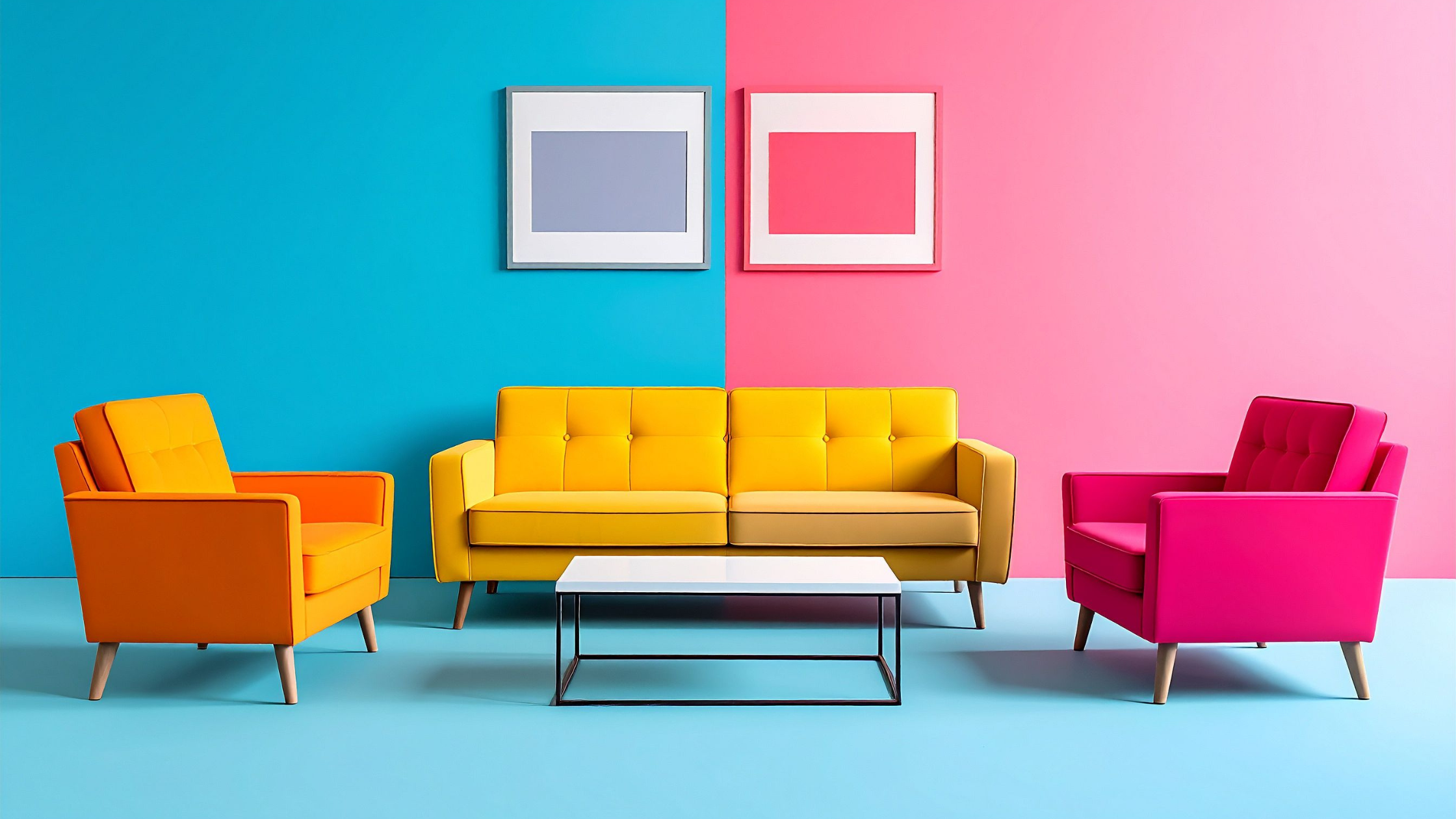
Choosing interior paint sounds simple at first, but many homeowners quickly learn that selecting the best interior paint colors is harder than expected. What looks perfect on a sample card or screen doesn’t always translate well once it’s on the wall. Rooms can feel darker, colder, or smaller than planned, and colors that seemed safe suddenly clash with flooring, trim, or nearby spaces. This frustration is one of the most common reasons homeowners regret an interior repaint.
Why Interior Paint Colors Often Miss the Mark
Interior paint color problems usually come from decisions made in isolation. A color may look great on its own but behave differently once it’s affected by lighting, layout, and surrounding finishes. Natural light shifts throughout the day, changing how colors appear from morning to evening. Artificial lighting can add unwanted warmth or coolness, altering undertones in unexpected ways. When homeowners search for the best interior paint colors, they are often reacting to a space that feels off rather than understanding why the color failed.
The Hidden Factors That Affect Interior Paint Color
Paint reacts to everything around it. Wall height, room size, flooring color, cabinet finishes, and even furniture all influence how a color reads. A light neutral can look washed out in a bright room or dull in a darker one. A soft gray can suddenly turn blue or purple depending on exposure. Sample sizes don’t help much either. A small swatch cannot accurately show how color behaves across full walls, ceilings, and trim. Without testing and experience, it’s easy to choose a color that feels completely different once the job is finished.
How Professionals Choose the Best Interior Paint Colors
Professional painters approach color selection differently. Instead of starting with trends, they start with purpose. Each room is evaluated based on how it’s used, how much light it receives, and how it connects visually to other areas of the home. The best interior paint colors are chosen to support flow rather than create abrupt contrast. In open layouts especially, professionals look for consistent undertones that allow rooms to feel connected without looking repetitive. This approach creates a finished look that feels intentional and balanced.
Why Neutral Paint Colors Work When Chosen Correctly
Neutral shades continue to be among the best interior paint colors because they are flexible and timeless. However, not all neutrals work in every space. Warm neutrals can soften hard surfaces and make rooms feel inviting, while cooler neutrals create a clean, modern feel but require the right lighting to avoid feeling cold. The key is understanding undertones and how they interact throughout the home. When neutrals are chosen correctly, they enhance architectural details, complement furnishings, and age well over time.
Paint Finish Plays a Bigger Role Than Most Homeowners Expect
Color is only part of the equation. The paint finish directly affects how the color looks and performs. Flat finishes reduce glare and hide imperfections but absorb light. Eggshell and satin finishes reflect light slightly and are easier to clean, making them popular for living areas. Semi-gloss finishes highlight trim and details but also highlight flaws if prep work isn’t done properly. Even the best interior paint colors can underperform if the finish doesn’t match the space or surface.
How Professional Interior Painting Prevents Costly Mistakes
Professional interior painting helps homeowners avoid expensive do-overs. Experienced painters test colors in real lighting conditions, prepare surfaces properly, and apply paint evenly so the final color looks consistent and intentional. They understand which shades tend to cause issues and which ones consistently perform well. Beyond application, professional guidance helps homeowners feel confident in their choices instead of second-guessing them after the job is complete.
Final Thoughts on Choosing the Best Interior Paint Colors
Finding the best interior paint colors isn’t about picking what’s popular or copying what worked in someone else’s home. It’s about choosing colors that work with your space, your lighting, and how you live in your home every day. With the right approach and professional insight, interior painting becomes more than a cosmetic update. It becomes an improvement that enhances comfort, flow, and long-term value. When color decisions are made carefully and applied professionally, the result is a home that feels cohesive, polished, and genuinely finished.