From Sheetrock Repairs to Smooth Walls: What Homeowners Should Fix Before Painting
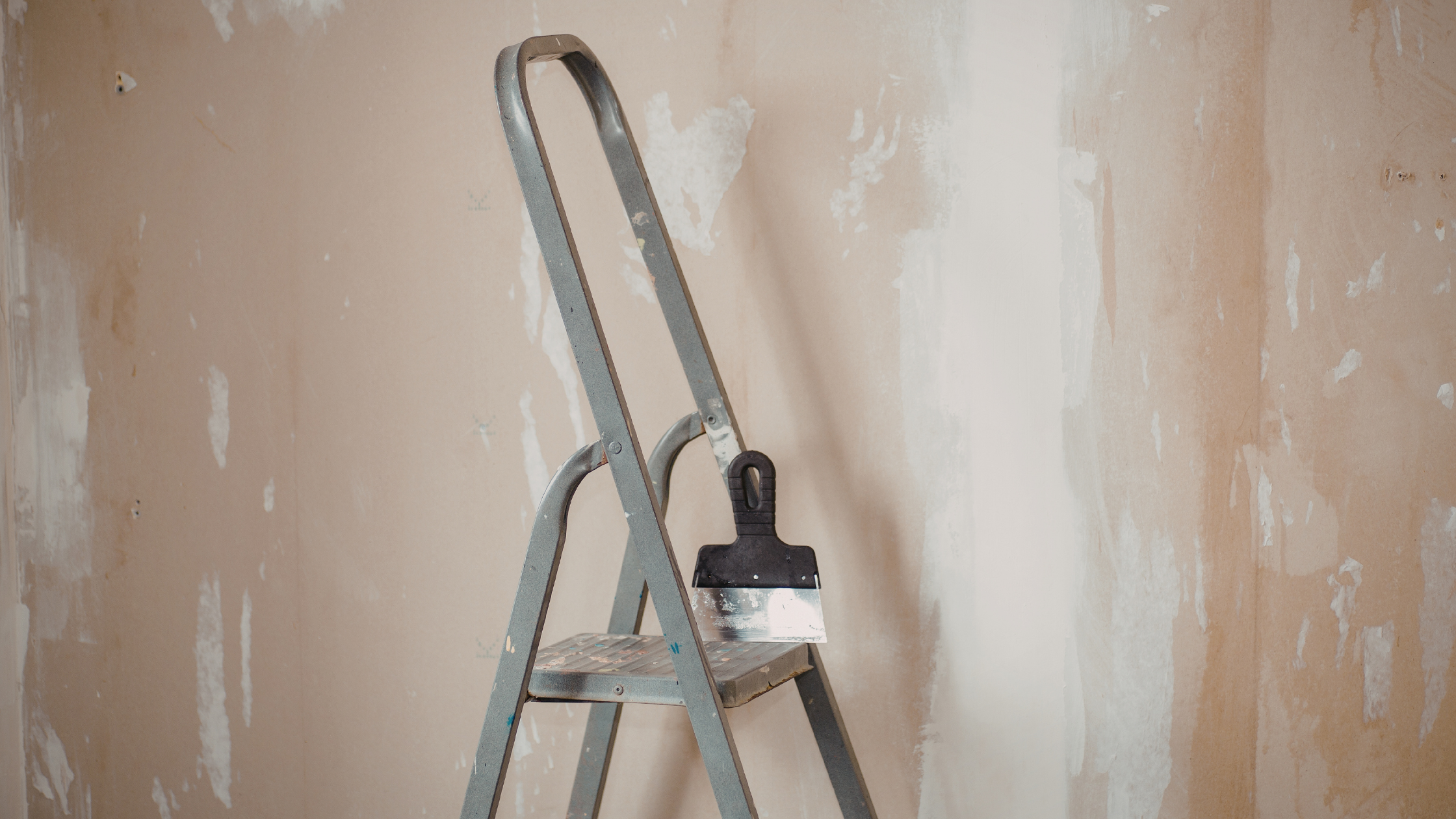
A great paint job starts long before the first coat goes on the wall. While paint has the power to transform a space, it can’t hide surface problems—and in many cases, it actually makes them more noticeable. For Central Texas homeowners, proper wall preparation is the difference between a finish that looks clean and professional and one that highlights every flaw. At Howdy Painting, we know that addressing repairs before painting is the key to smooth, long-lasting results.
Why Paint Alone Isn’t Enough
Paint enhances what’s already there. If walls have dents, cracks, or uneven textures, fresh paint will draw attention to them rather than conceal them. Lighting common in Central Texas homes—large windows and bright natural light—can make surface imperfections even more visible.
That’s why professional painters focus on repairs and prep first. Correcting issues before painting ensures the final result looks intentional, not patched together.
Common Sheetrock Issues That Need Attention
Sheetrock damage is one of the most frequent problems we see. Nail holes from artwork, anchors from shelving, and minor dents are common in lived-in homes. While small, these imperfections interrupt the smoothness of the wall and can stand out once painted.
Cracks are another concern. Hairline cracks may result from natural settling, while larger cracks can develop around doors, windows, or seams. These should be properly repaired and reinforced to prevent them from reappearing through the paint.
Water stains or softened sheetrock require special attention. Simply painting over them can lead to discoloration or adhesion issues. Proper treatment and repair are essential before moving forward.
Texture Matching and Blending
Many Central Texas homes feature textured walls, and matching that texture after repairs can be challenging. Poor texture blending creates visible patches that stand out under fresh paint.
Professional preparation includes recreating the existing texture and feathering repairs into the surrounding area so they disappear once painted. This step takes experience and patience, but it’s essential for a seamless finish.
Addressing Uneven Surfaces and Old Repairs
Over time, homes accumulate layers of repairs—some better than others. Uneven patchwork, ridges, or poorly sanded areas can become obvious after painting. Part of proper prep is identifying and correcting these problem spots.
Sanding is a critical step that smooths transitions and removes rough areas. When done correctly, it creates a uniform surface that allows paint to apply evenly and consistently.
Caulking and Sealing Gaps
Gaps around trim, baseboards, and door frames can make even a new paint job look unfinished. Caulking seals these areas, creating clean lines and a more polished appearance.
In addition to aesthetics, sealing gaps helps reduce drafts and prevents moisture intrusion, which is especially important in Central Texas climates. Quality caulking contributes to both the look and longevity of the paint job.
Cleaning and Surface Prep
Walls collect dust, oils, and residue over time—especially in kitchens, hallways, and high-touch areas. Painting over dirty surfaces can cause adhesion problems and uneven finishes.
Professional preparation includes cleaning surfaces so paint bonds properly. This step is often overlooked in DIY projects but plays a major role in how well the paint performs.
Why Professional Prep Makes a Difference
Many homeowners are surprised to learn how much time and effort goes into preparation. Rushing through repairs or skipping steps may save time upfront, but it often leads to disappointing results and the need for touch-ups or repainting sooner than expected.
Professional painters understand how to evaluate wall conditions and address issues correctly the first time. From proper patching techniques to smooth sanding and priming, each step contributes to a finish that looks clean and lasts longer.
Preparing for a Successful Paint Job
Fixing issues before painting isn’t about perfection—it’s about creating a solid foundation. When walls are smooth, clean, and properly prepared, paint can do what it’s meant to do: enhance the space and create a fresh, finished look.
At Howdy Painting, we take preparation seriously because we know it’s what separates average paint jobs from exceptional ones. If you’re planning to repaint your home and want results that truly elevate your space, our team is ready to handle the repairs and prep that make all the difference.